These projects require a balanced understanding of both engineering theory and practical application. Investigators must carefully interview those involved to gain insight into the events leading up to the incident, while also applying technical knowledge to analyze the failure itself. Success in this work depends on being highly observant, connecting subtle details with broader patterns to identify root causes and recommend effective solutions.
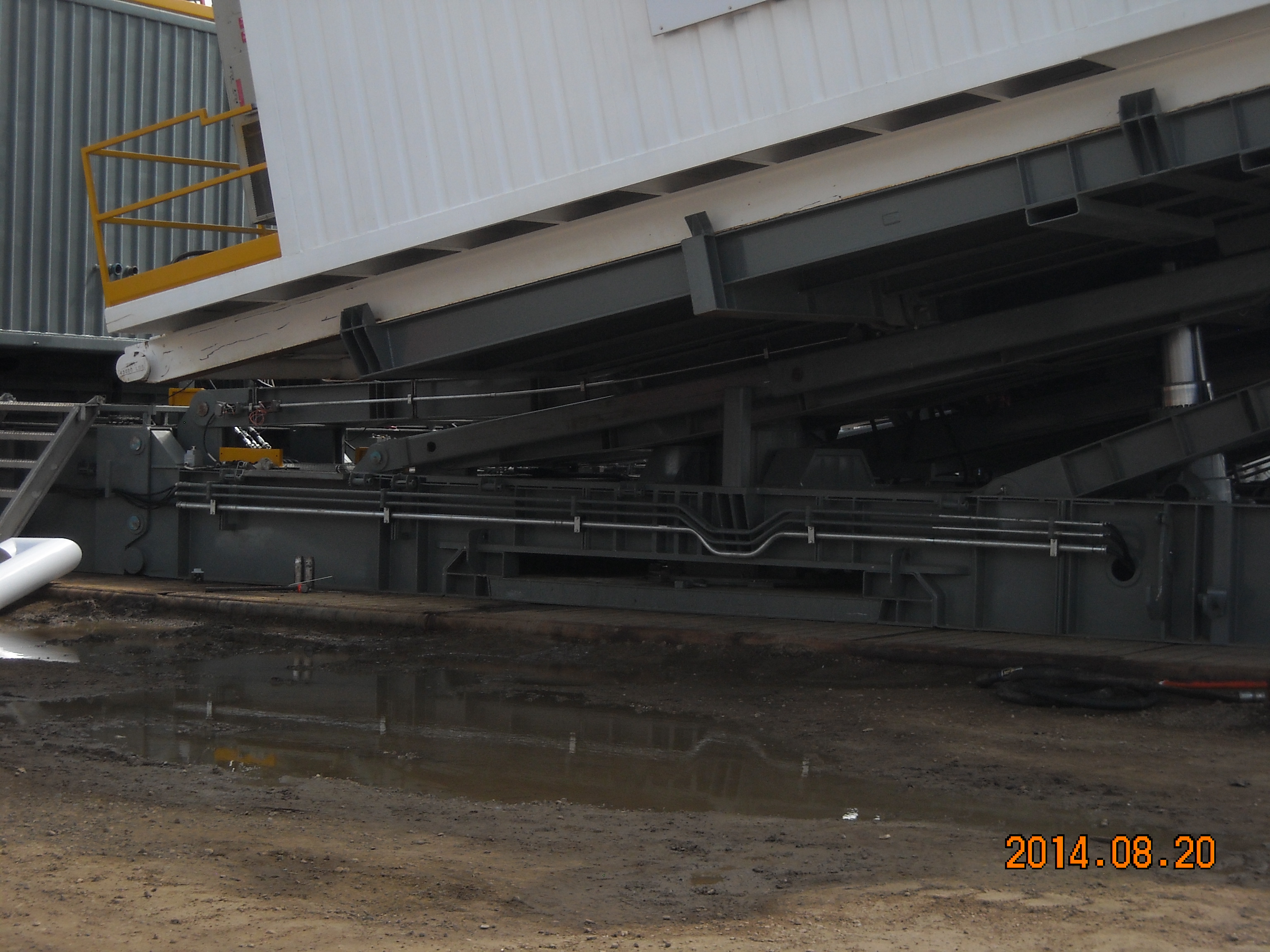
A failure during substructure lowering was investigated. Initial observations focused on obvious damage. A detailed investigation found that in the structural analysis an overly constrained ground support did not represent actual conditions.
The result was a change in structural geometry and a subsequent cascading failure.

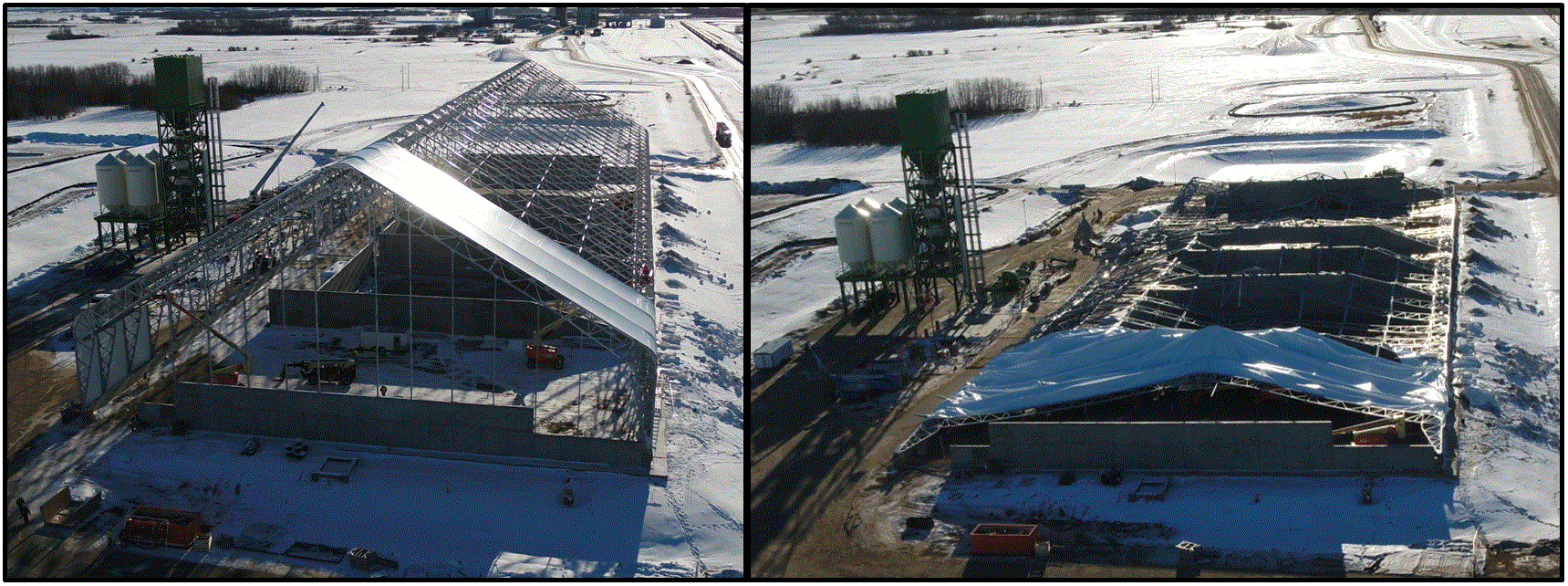
During the erection of a fabric tension structure an overnight wind storm passed through the construction area, and the next morning the structure was found to have collapsed.
Structural modelling was performed and wind loading was applied.
It was found that the temporary bracing was inadequately anchored resulting in the wind loading overcoming the structural stability during the erection phase of construction.
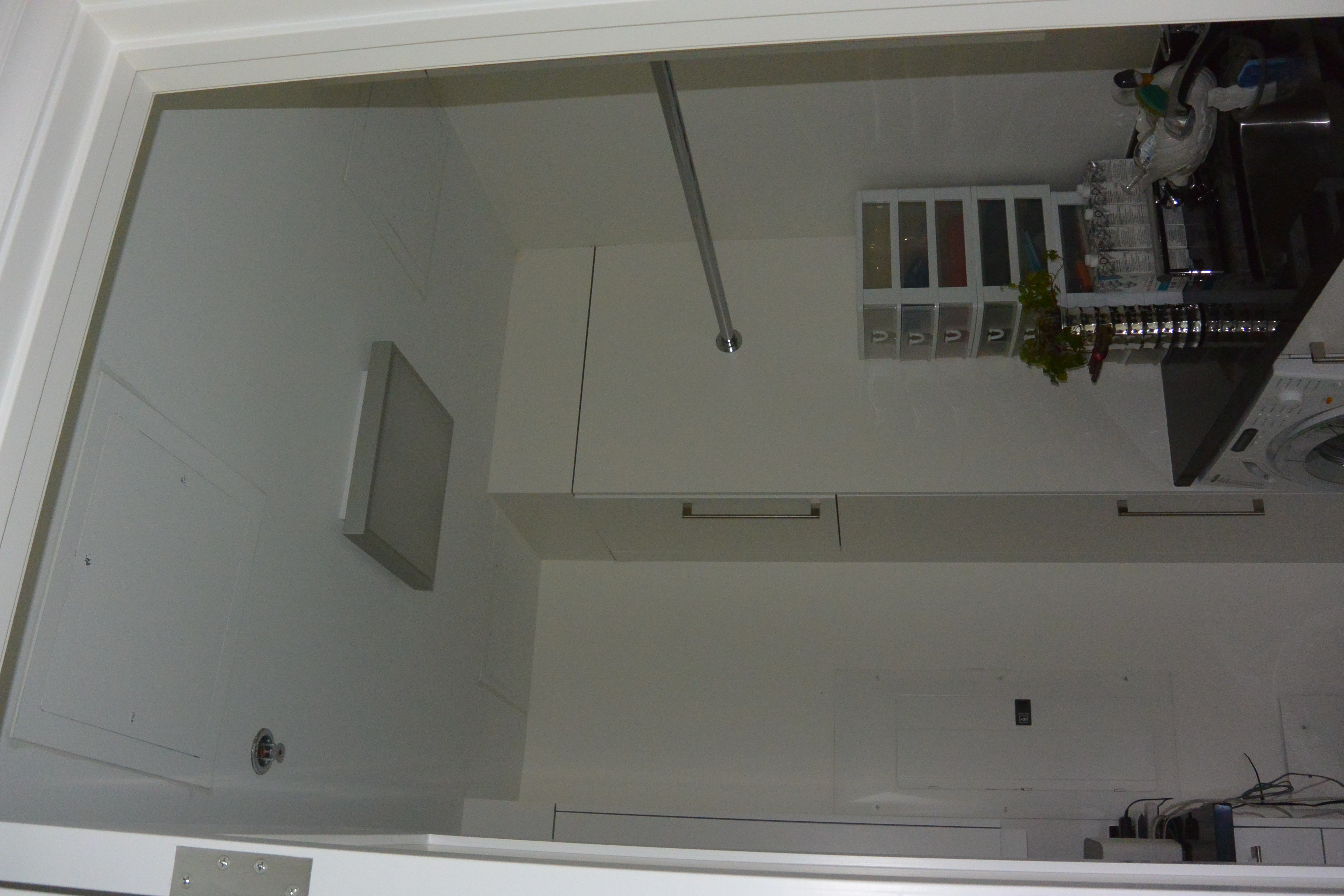
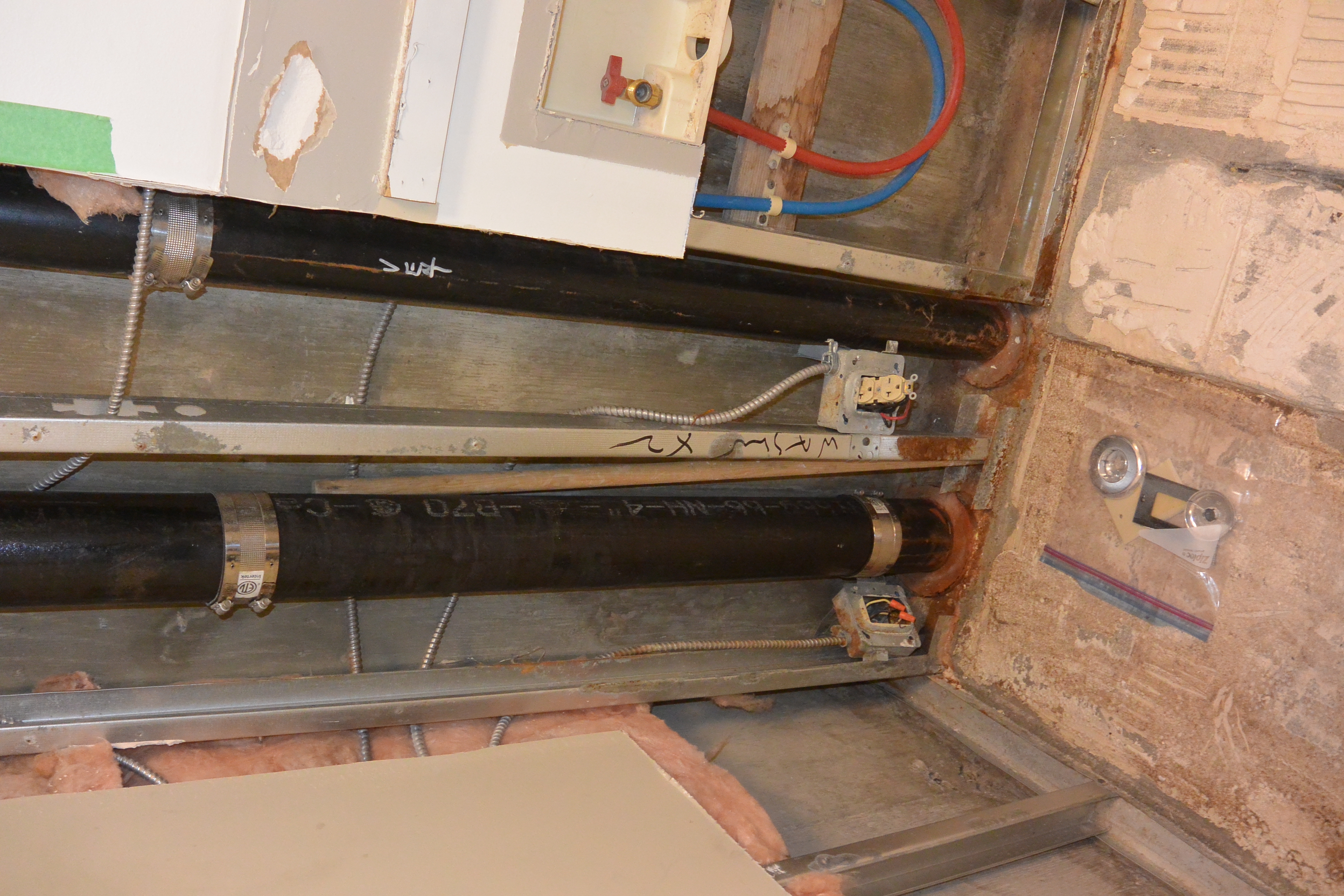
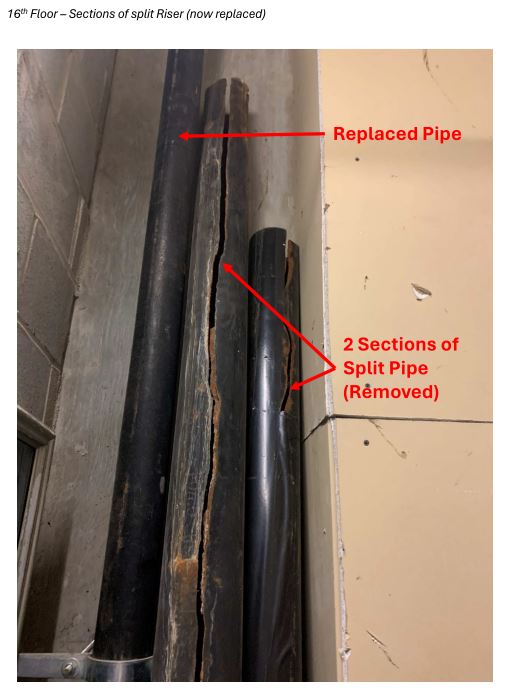
A client indicated that they had repeated incidents of water leaks in their luxury condominium. After the most recent incident a more thorough investigation into the leak was undertaken. A review of the causes of the previous water damage events was undertaken, with drawings reviewed of the areas of water damage along with the mechanical systems behind the walls.
After identifying the most probable area of the source of the leak, targeted wall deconstruction was undertaken where the leak was found.
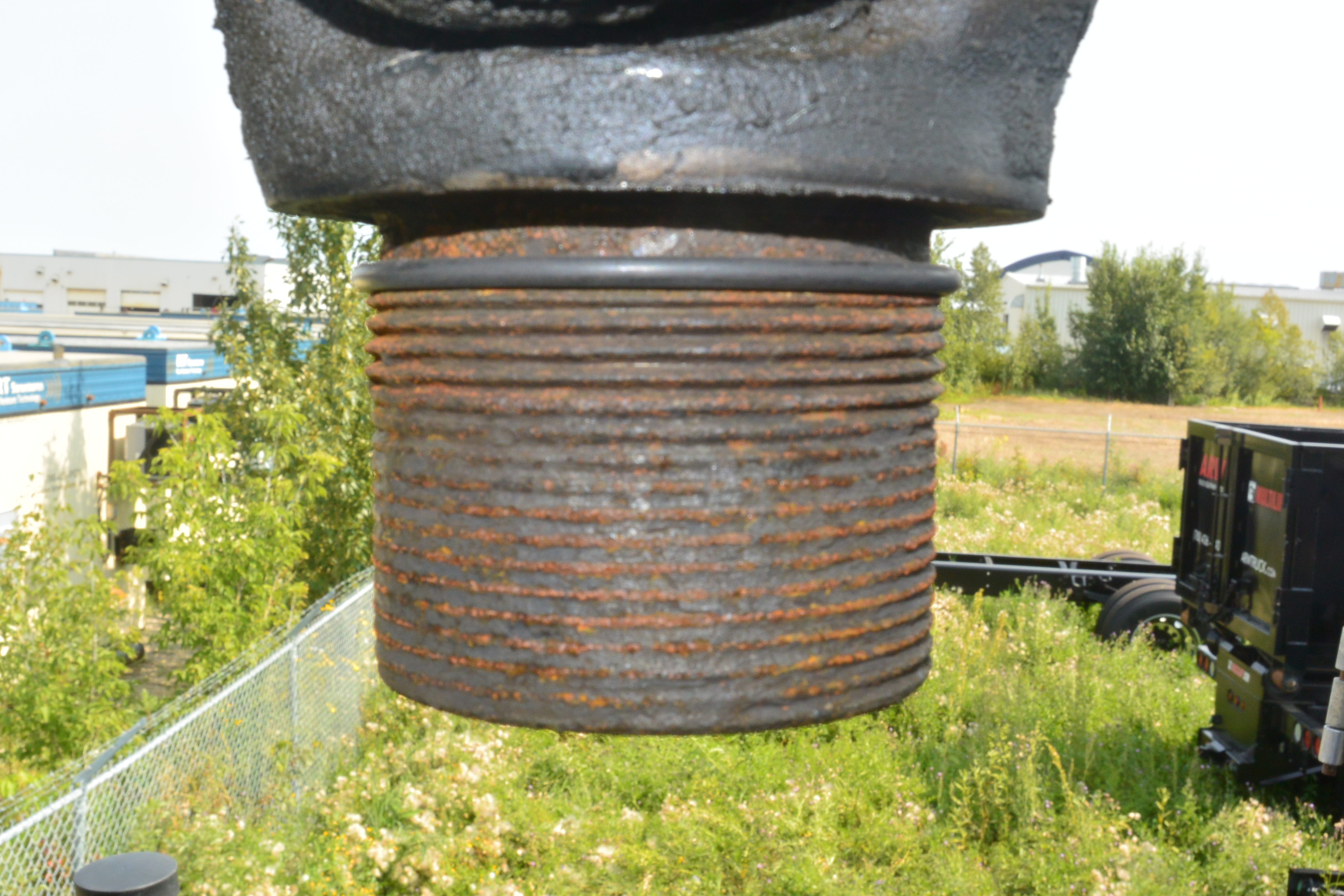
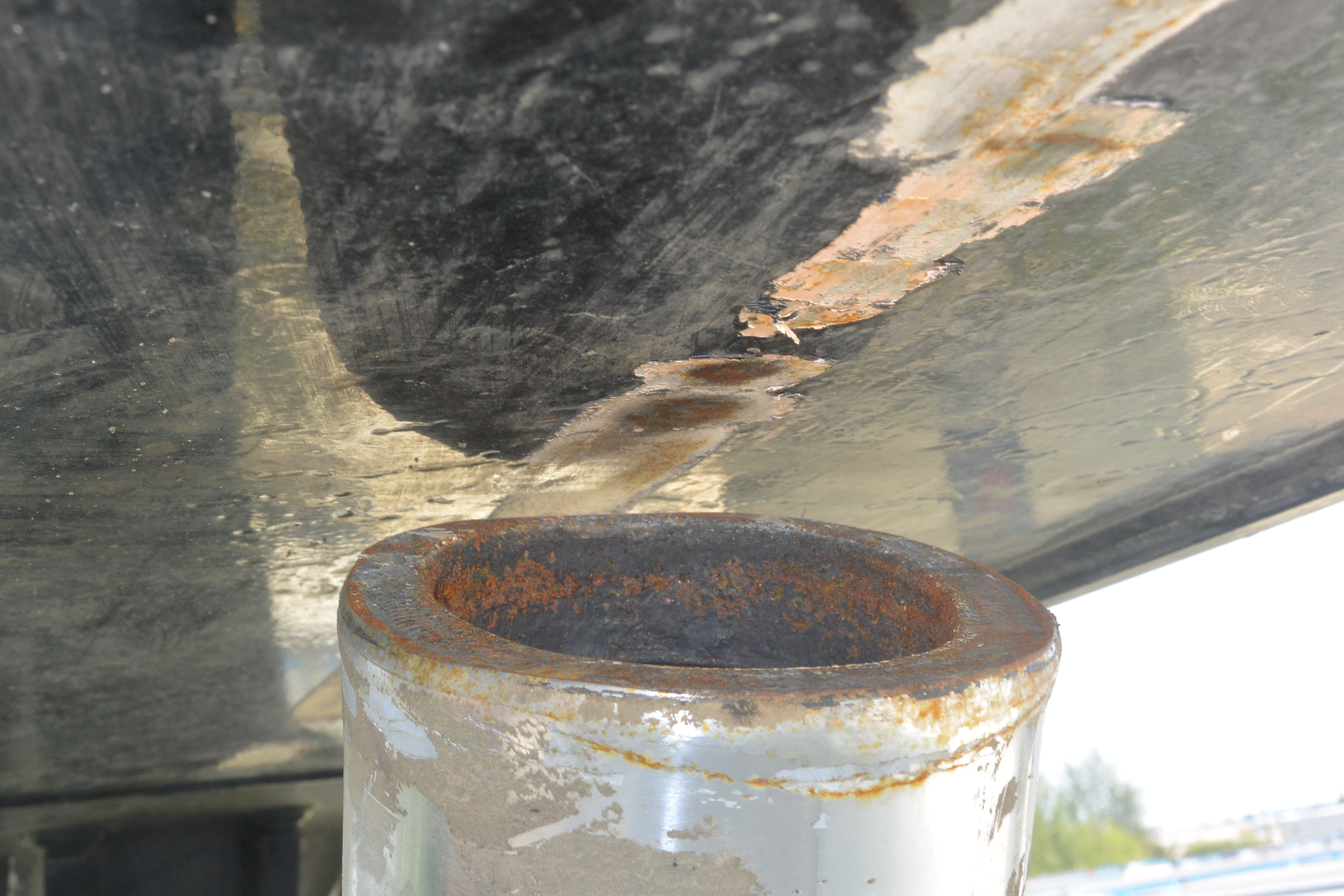
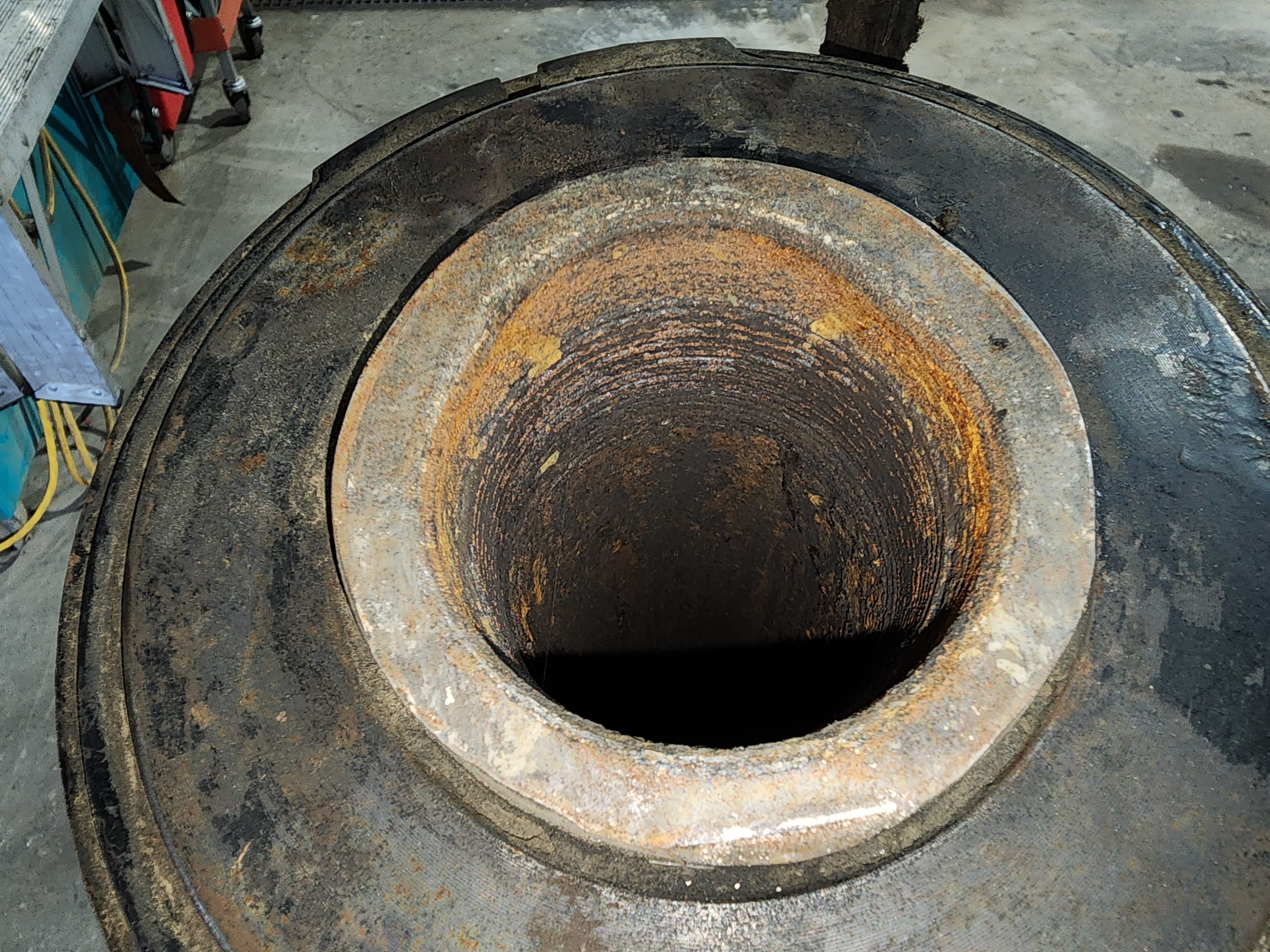
A failure occurred during operations with a material handling crane. It was found that the threaded connection between the cylinder rod and the cylinder rod end had corroded threads. The result was an uncoupling of the rod end when the hydraulic cylinder was subjected to a tensile force. An additional item was added to the annual inspections to evaluate the threaded rod end connection.